Early Cancer Detection
What others cannot see — advanced blood-based molecular analysis for the earliest signs of cancer.
Cancer does not begin with a tumor.
Long before a visible lesion forms, molecular changes occur at the level of DNA, cellular turnover, and immune interaction. Only recently have technologies emerged that are sensitive enough to detect these earliest signals — years before conventional diagnostics are able to identify disease.
Seeing Cancer Before It Becomes Cancer
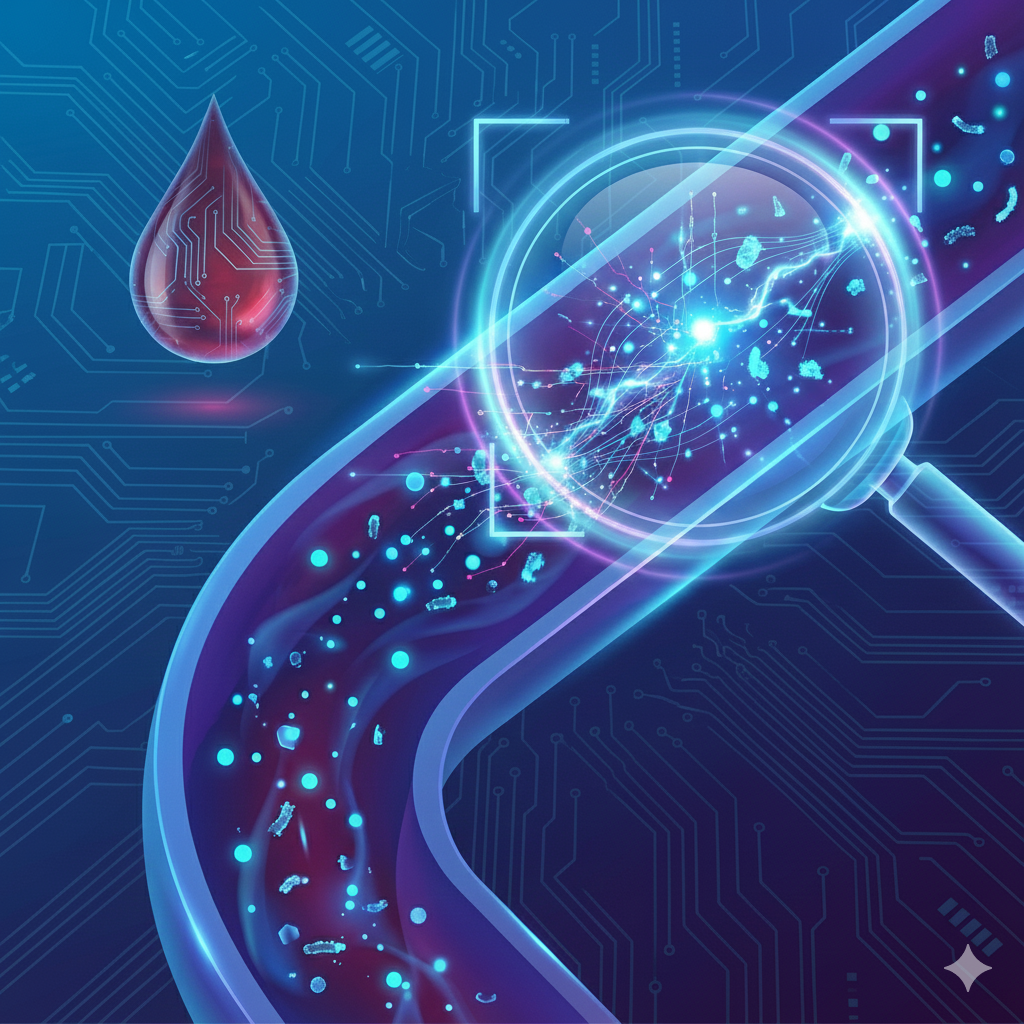
Advanced blood-based molecular analysis can detect cancer-associated signals years before clinical manifestation. These molecular changes may already be detectable before a tumor could become visible through conventional imaging.
How Is This Possible Today?
Recent breakthroughs in cell-free DNA analysis, epigenomic sequencing, combined with advanced bioinformatics and large reference datasets, now make it possible to identify rare cancer-associated events in circulating blood with unprecedented sensitivity.
From Early Signal to Clinical Insight
Early Detection & Risk Assessment
Detect signals before symptoms appear and identify risk at a stage where options are broader and less invasive.
Preventive Monitoring
Equip individuals with advanced predisposition and support clinicians with closer follow-up or preventive strategies.
Post-Treatment Surveillance
Track minimal residual disease and detect recurrence earlier than conventional imaging.
From One Sample to Actionable Insight
Minimal Sample — Maximum Insight
One standard blood draw is enough to detect rare cancer-associated molecular signals with high sensitivity, without invasive procedures.
A Global Network for Advanced Detection
KUHS LABORATORY connects clients to a global network of specialized partner laboratories, enabling consistent quality across regions.
Integration Into Personalized Strategies
Results can support personalized monitoring strategies and help guide informed long-term planning.